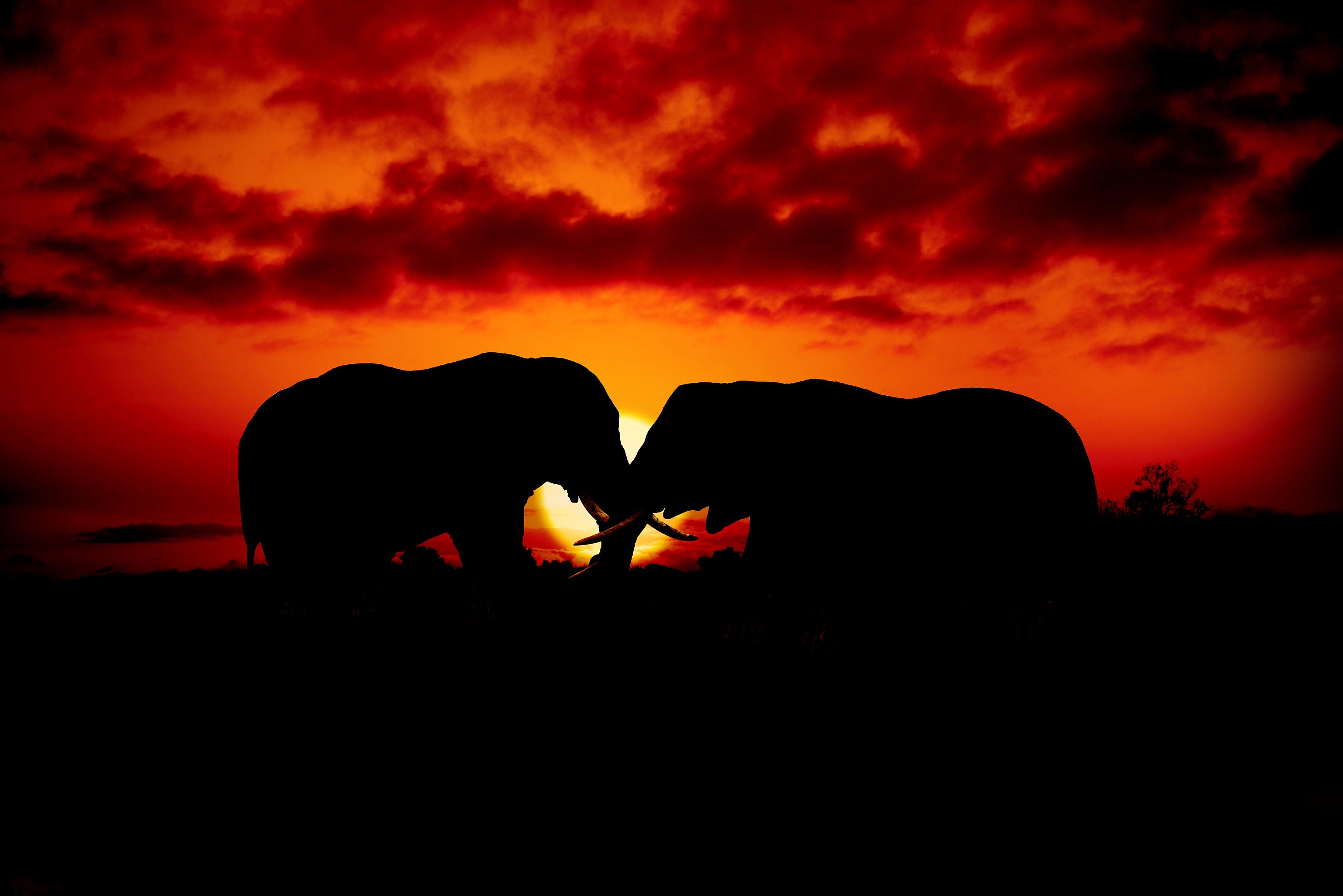
6 Days
6-Day Mid-Range Safari: The Great Calving Season
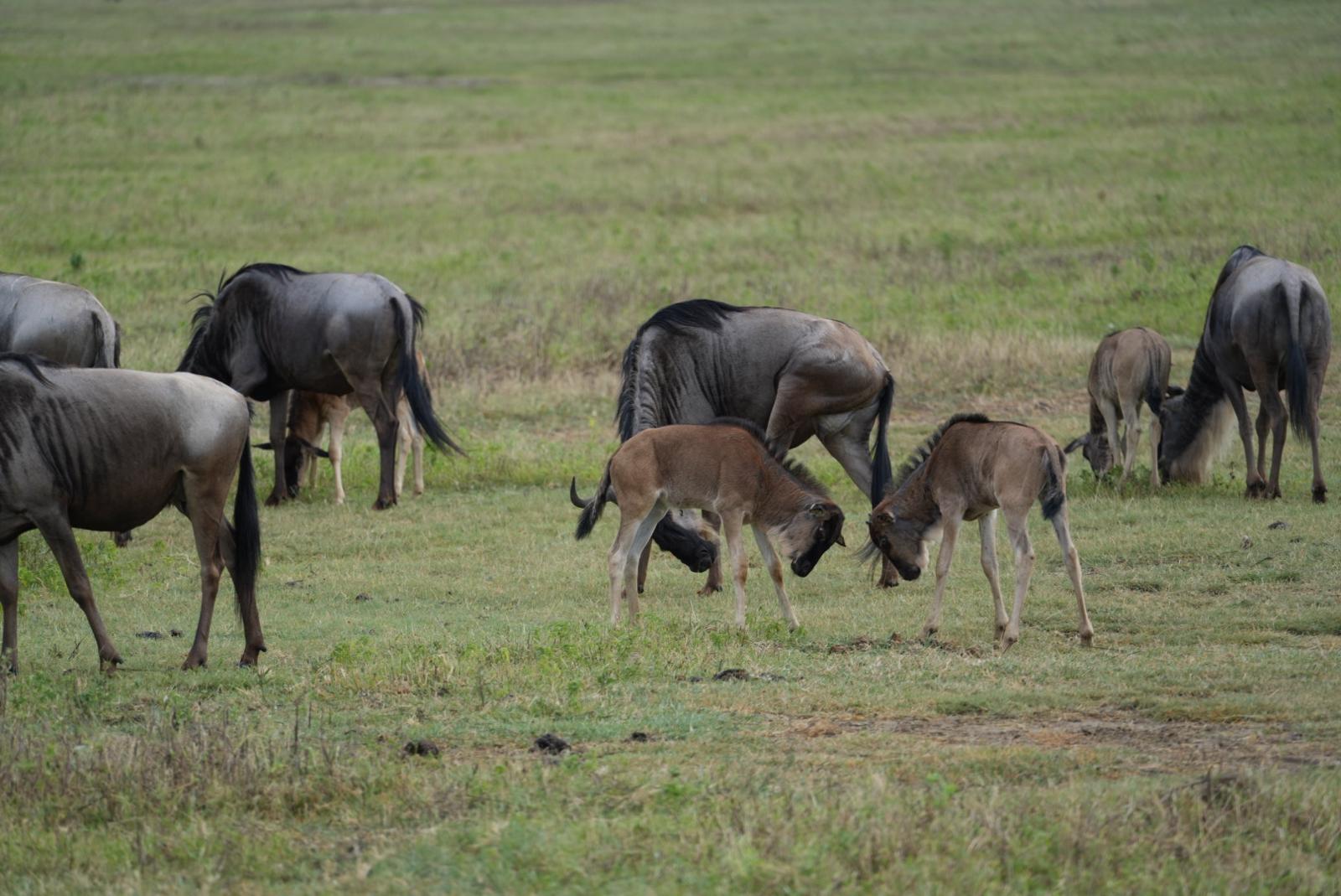
Between January and March, over half a million wildebeest gather on the Ndutu plains to give birth — up to 8,000 calves a day. This safari focuses on Ndutu, where off-road driving is permitted, combined with the classic Big Five experience.
Tour Highlights
The Great Calving Spectacle
Thousands of wildebeest calves taking their first steps — around 8,000 born daily at peak season.
Predator Action at Its Peak
Lions, cheetahs, leopards, and hyenas hunting on the open short-grass plains.
Off-Road Game Drives
Unlike most of the Serengeti, Ndutu permits off-road driving for closer wildlife access.
The Ngorongoro Crater
The world’s largest intact volcanic caldera, home to the Big Five.
Day by Day
Arusha to Tarangire National Park
A full-day game drive with a picnic lunch among massive elephant herds, lions, leopards, cheetahs, lesser kudu, buffalo, oryx, eland, giraffe, and zebra along the Tarangire River. Overnight in the Karatu area.
Karatu to Ndutu – Arrival at the Calving Grounds
Journey through the Rift Valley to the Ndutu region, where the Great Migration gathers between December and April. Your first game drive reveals thousands of wildebeest and zebras spread across the plains, with newborn calves taking their first steps within minutes of being born.
Full Day in Ndutu – The Miracle of Birth
A complete day dedicated to the calving spectacle — newborn calves learning to stand, protective mothers, and predators waiting for their moment, across the plains and marshes surrounding Lake Ndutu.
Ndutu to Central Serengeti – Big Cat Country
A morning game drive for one last chance at calving action, then a journey to the Seronera Valley, home to resident lions, leopards, cheetahs, elephants, giraffes, and buffalo, plus the famous granite Serengeti "Kopjes."
Central Serengeti to Ngorongoro Crater Rim
A final morning game drive searching for the Big Five, with the Seronera area particularly good for leopard sightings, before the scenic drive through the Ngorongoro Highlands to a lodge on the crater rim.
Ngorongoro Crater – Africa’s Eden
Descend into the crater floor — 260km² with a depth of over 2,000 feet. Buffalo herds numbering hundreds, lion prides, hyena clans, and a search for the endangered black rhino, with a picnic lunch at the Ngoito Hippo Pool before the drive back to Arusha.
What's Included
- Private 4×4 safari vehicle with pop-up roof, charging ports, and cooler
- Professional English-speaking safari guide for the entire journey
- All park entry and conservation fees (Tarangire, Serengeti, Ngorongoro)
- Ngorongoro Crater service fee
- All game drives as per itinerary
- All meals as specified (5 breakfasts, 6 lunches, 5 dinners)
- Drinking water (1.5 litres per person per day) in the vehicle
- Airport transfers and hotel pick-up/drop-off in Arusha
- 1 night accommodation before the safari
What's Not Included
- International flights
- Tanzania visa fee ($50 e-visa for most nationalities)
- Travel and medical insurance (required)
- Tips and gratuities
- Alcoholic beverages and personal expenses
- Optional activities (hot air balloon safari ~$500+ per person)
- Accommodation and dinner on the final night
Best Time for Calving Season
Peak calving is January–March, with February the absolute peak — over 500,000 calves born in a concentrated period, with predator activity at its highest and excellent visibility on the short grass.
What to Pack
Light, breathable neutral clothing; warm layers for cool mornings; a rain jacket; sun protection; comfortable walking shoes; a camera with a 200mm+ zoom lens; binoculars.